Topic 6: MUTUAL FUNDS: STRATEGIC OVERHAUL
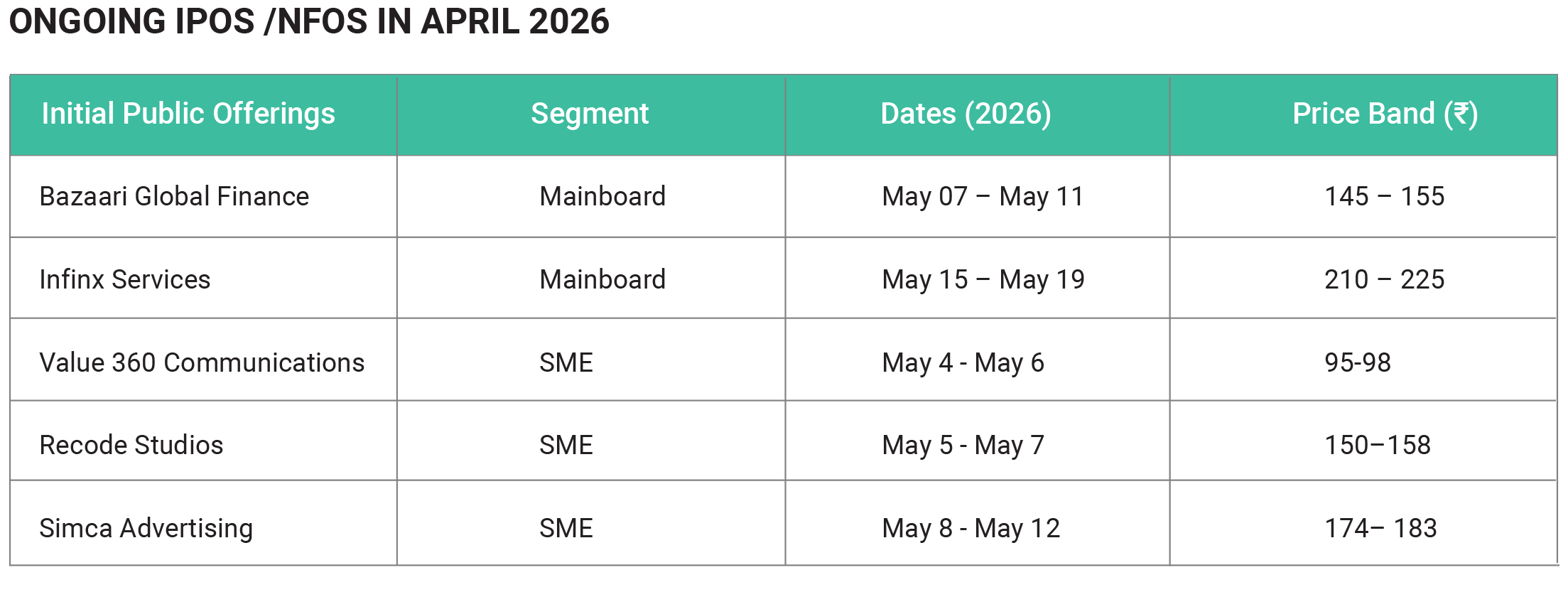
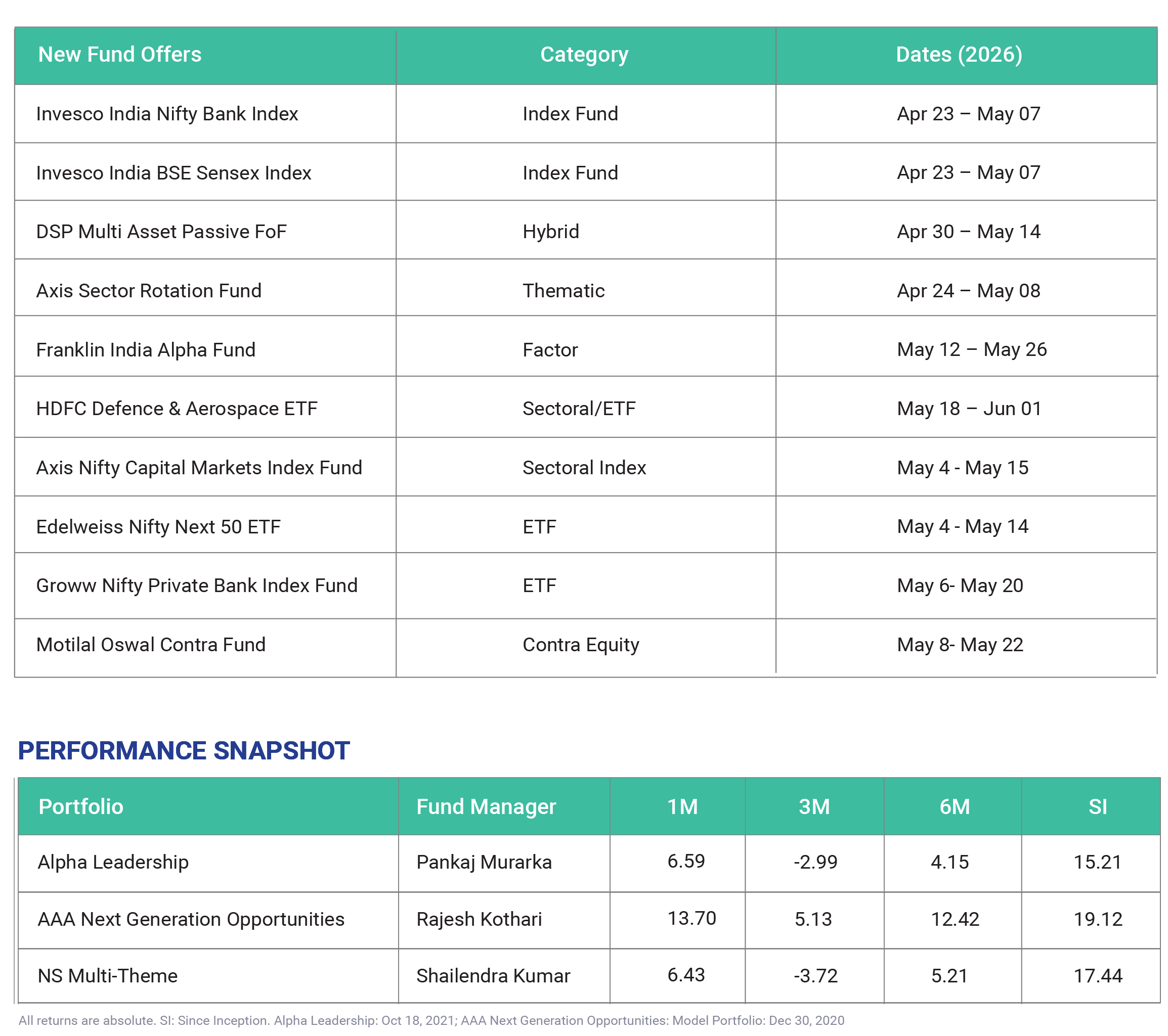
April 2026 marked a landmark phase for the Indian mutual fund industry, characterized by strong performance, major regulatory reforms, and evolving product innovation. Equity mutual funds delivered exceptional returns during the month, with over 25 schemes generating more than 25% returns, driven largely by a sharp market rebound and sectoral rallies. Small-cap funds emerged as standout performers, delivering returns in the range of 17–20%, reflecting renewed investor confidence after a period of caution. Several fund houses even reopened select small-cap schemes for lump-sum investments, signalling improved liquidity and sentiment. Sectoral and thematic funds also outperformed, benefiting from strong gains in industrial products, construction, and electrical equipment sectors, while large-cap and diversified funds offered relatively moderate but stable returns amid ongoing market volatility. A major highlight of April was the implementation of sweeping regulatory reforms by the Securities and Exchange Board of India through the new Mutual Fund Regulations 2026, effective from April 1. These reforms significantly enhanced transparency, governance, and investor protection. One of the most important changes was the restructuring of the Total Expense Ratio (TER), which is now unbundled into components such as Base Expense Ratio, brokerage, and statutory costs, making fund charges more transparent. Additionally, expense caps were slightly reduced, ensuring lower costs for investors. The regulations also introduced stricter rules for thematic and sectoral funds under a “true-to-label” framework, requiring greater portfolio differentiation to ensure genuine exposure. Another key structural shift was the introduction of Life Cycle Funds, a new category designed for long-term, goal-based investing, particularly retirement planning. These funds automatically adjust asset allocation from equity to debt as investors age, replacing older solution-oriented schemes like retirement and children’s funds, which are gradually being phased out. This marks a transition toward more flexible and investor-friendly products. April also saw continued innovation and expansion in product offerings. New Fund Offers (NFOs) from asset management companies, including hybrid index funds and multi-asset fund-of-funds, highlighted a growing emphasis on passive and diversified investment strategies. This reflects a broader industry trend toward cost efficiency and asset allocation-based investing. On the operational side, investor security received a boost with the introduction of features like the “folio lock” or voluntary debit freeze by major fund houses. This allows investors to temporarily block redemptions or withdrawals from their accounts, adding an extra layer of protection against fraud and unauthorized transactions. Despite global uncertainties, the industry demonstrated strong resilience. Total assets under management (AUM) remained robust, reaching around ₹73 lakh crore, supported by consistent Systematic Investment Plan (SIP) inflows exceeding ₹31,000 crore. However, the debt mutual fund segment faced pressure, with notable outflows driven by rising yields and tight liquidity conditions. Overall, April 2026 was defined by a combination of strong equity performance, regulatory transformation, and structural evolution. The industry not only delivered impressive returns but also laid the foundation for greater transparency, investor protection, and long-term growth through innovative products and reforms.